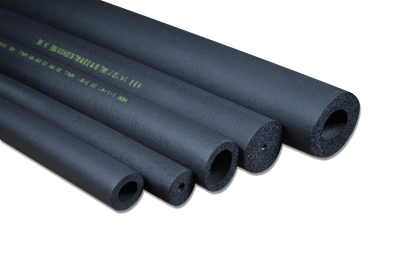
Flexicell manufactures closed-cell cross-linked polyolefin (XLPE) and closed-cell elastomeric (NBR) thermal insulation foam solutions for HVAC/R and Industrial applications including Oil & Gas.


Flexicell manufactures closed-cell cross-linked polyolefin (XLPE) and closed-cell elastomeric (NBR) thermal insulation foam solutions for HVAC/R and Industrial applications including Oil & Gas.
Flexicell thermal insulation features a closed-cell structure which implies high resistance for water absorption water-vapor diffusion resistance factor (μ-value) and stable thermal conductivity helping prevent moisture ingress and maintain surface temperatures above dew point.
Yes. Flexicell insulation is safe for use across all HVAC/R applications, including residential, commercial, and industrial buildings, ensuring reliable performance. Depending on the product, Flexicell meets the highest standards for foam products such as ASTM E84, BS 476 Part 6 & 7, EN 13501-1, FM 4924 and CE marking for relevant markets.
Yes, Flexicell thermal insulation can be used for both indoor and outdoor applications. For outdoor use, protective cladding is required to ensure long-term durability against UV exposure and weather conditions.
Alternatively, by selecting Flexicell inhouse solution, XLPE N CLAD or NBR Clad, no additional external cladding is required-helping reduce installation time, labor costs, and additional material usage.
The temperature range varies by material:
XLPE: -40°C to +105°C
NBR: -50°C to +110°C
NBR can also be used at temperatures down to -196°C for applications involving liquid gases such as nitrogen, subject to specific conditions. Please consult the technical team for further guidance.
Our dedicated in-house engineering team provides comprehensive support, including technical specifications, product selection guidance, shop drawings, on-site training, and seminars/presentations. We also offer advanced design support through AeroCalc and Aerosound, delivering solutions aligned with project goals.
Download our in-house calculation software, AeroCalc, available on your mobile OS and PC, based on ISO 12241, to determine the optimal thermal insulation thickness. Users can input relevant project parameters such as medium temperature, relative humidity, pipe or duct geometry, and other system conditions.
Moreover, Flexicell technical team provides insulation thickness calculations, dew-point analysis, and design recommendations for various applications across global markets.
Yes, Flexicell is compliant with various international green building frameworks such as BREEAM and LEED, as well as regional systems including ESTIDAMA and Al Sa’fat in the UAE. This also extends to other regional green building certification frameworks.
In addition, Flexicell solutions are designed with hygienic properties in mind, featuring a closed-cell, non-porous surface that resists moisture ingress, with zero risk of fungus and mold growth, and supports clean, easy-to-maintain installations in sensitive environments.
Using AeroCalc, once you have calculated the minimum required insulation thickness for your project, you can go to the “List of Materials” tab. By increasing the insulation thickness beyond the minimum value, you can quantify the additional energy savings and corresponding CO₂ reduction achieved.
These results can then be exported and submitted to different green building certification systems to support documentation and help gain additional credits. Additionally by multiplying the energy saved by the current energy rate in your area, you can calculate the amount of money saved.
Flexicell offers installation guidance, site inspections, training, and technical verification to ensure correct application and long-term performance.
Depending on the temperature and application range, i.e. when the medium temperature is lower than the ambient and the humidity of the surrounding air is high, closed cell structure thermal insulation is the perfect solution. Each application (heating/cooling etc.) depending on the environment and service conditions may have different dedicated material type to protect the system in terms of thermal aspects.
Closed-cell thermal insulation (elastomeric, polyolefin) has a sealed structure that resists moisture, prevents condensation, and maintains performance over time without needing a separate vapor barrier, making it ideal for HVAC/R systems.
Open-cell insulation (fiberglass, mineral wool) is porous, so it requires a vapor barrier to control moisture. If not properly installed, performance can drop over time.
Higher thermal insulation thickness reduces heat gain or loss, lowering HVAC/R energy consumption and operating costs throughout the system’s life. (Kindly visit our Sustainability Page for a practical example)
Insufficient thickness leads to higher energy use, increased load on equipment, and greater long-term expenses.
Thermal Insulation in HVAC/R systems typically fails due to moisture ingress, poor installation, wrong accessories or mechanical damage.
Over time, gaps, damaged surfaces, or low-quality materials allow moisture to enter, reducing thermal performance and causing condensation issues and energy loss.
To avoid this: use closed-cell materials, ensure proper installation and sealing of joints, and check the system regularly.
Yes, Flexicell can help improve both indoor air quality and comfort. By controlling surface temperatures and preventing condensation, the closed-cell material reduces the risk of mold growth and moisture buildup that can affect air quality. It also contributes to low VOC emissions, supporting healthier indoor environments. In addition, it stabilizes indoor temperatures, enhancing overall occupant comfort.
Yes, due to the closed cell structure, the material does not absorb any chemicals and can be sanitized without any problems and material damage.
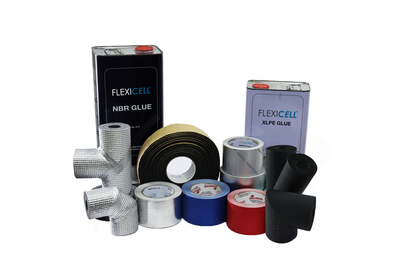
Yes, provided the application falls within the product’s temperature range and complies with the specified standards, Flexicell thermal insulation can be installed without issue. Its unique closed-cell structure prevents the absorption of water, chemicals, and crude oil, making it a reliable and well-suited solution for such applications.
Thanks to its closed-cell structure, low VOC content, and smooth, easy-to-clean surface, Flexicell is well suited for these types of applications. Its ease of installation and long service life further support its selection as a practical, hygienic and reliable thermal insulation solution.
Provided that the correct accessories supplied by Flexicell are used, the optimal insulation thickness is applied, and installation is carried out in accordance with the Flexicell installation handbook, NBR has an approximate service life of 10–15 years, while XLPE offers lifespan exceeding 20 years.
Flexicell thermal insulation solutions are well suited for a wide range of applications in data center projects. They can be used in HVAC/R system, helping maintain stable operating temperatures and reduce energy losses. In addition, they are applicable to liquid cooling systems used for server and high-density computing infrastructure, where condensation control and thermal efficiency are critical.
Using the AeroCalc, project teams can also quantify energy savings and CO₂ reduction based on selected thickness, supporting both performance optimization, energy, financials and sustainability targets (Find the practical example on our Sustainability page)
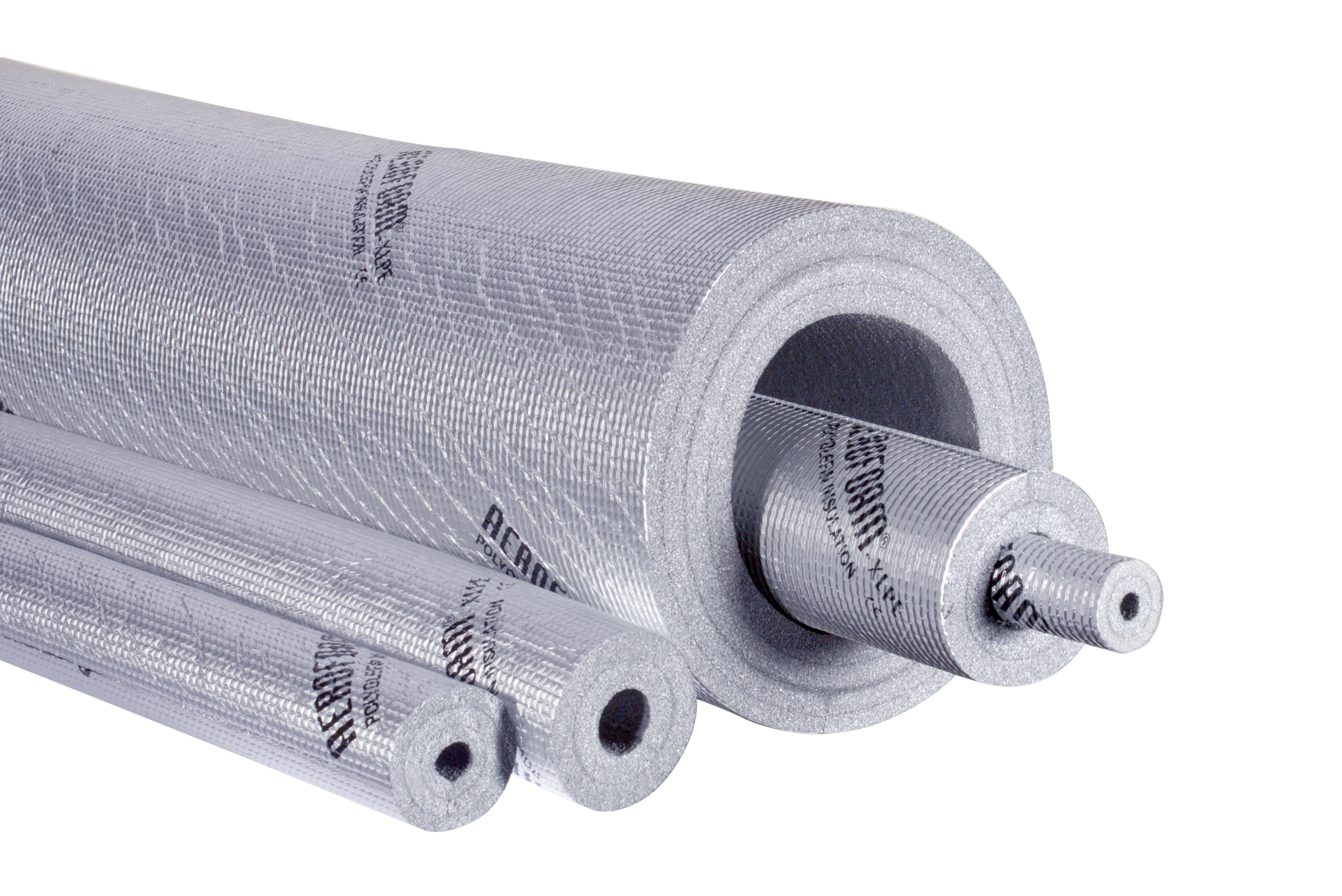
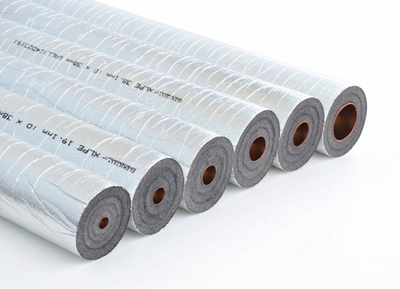
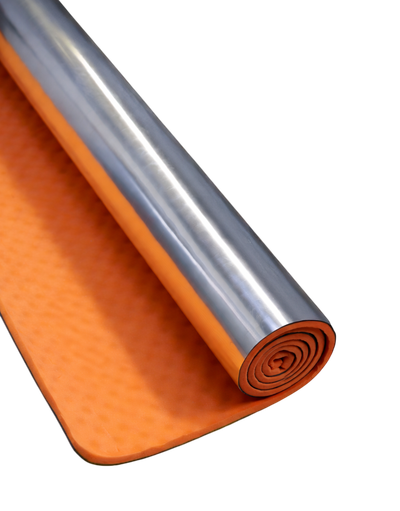
Closed-cell, cross-linked polyolefin thermal insulation foam available in tubes, sheets and rolls, with a range of colored foil facers and a cladding option for indoor and outdoor applications.